Column · @vzev7iozpk
Navigating Senior Living in Florida: What Families Should Know
If you are starting to look into senior living options for a parent or loved one, Florida often comes up early in the conversation. The warm weather, the slower pace, and the sheer number of communities can make it feel like an obvious choice. But after helping several friends and family members through this process, I have learned that the decision is rarely simple. It involves a lot of research, a few emotional conversations, and a clear understanding of what "senior living florida" actually means in practice. Not all communities are the same, and the differences matter more than most people realize.
Why Florida Attracts So Many Families
Florida has long been a destination for retirees. The climate allows for year-round outdoor activities, which helps with both physical health and social connection. The state also has a large network of healthcare providers who specialize in geriatric care. But the sheer number of choices can be overwhelming. You might find a dozen communities within a 10-mile radius, each with a different focus, pricing model, and level of care. The key is to match the community to the specific needs of your loved one, not the other way around.
Understanding the Different Levels of Care
One of the first things I tell people is that "senior living" is an umbrella term. It covers independent living, assisted living, memory care, and skilled nursing. In Florida, assisted living is the most common option for families who need a balance of support and independence. Assisted living communities provide help with daily tasks like bathing, dressing, and medication management, while still allowing residents to maintain their own schedules and privacy.
Memory care is a more specialized form of assisted living. It is designed for individuals with Alzheimer's disease or other forms of dementia. The staff are trained in techniques to reduce confusion and agitation, and the environment is often secured to prevent wandering. If your loved one has a dementia diagnosis, a general assisted living community may not have the staff or structure to meet their needs. That is where memory care becomes essential.
Respite care is another option that many families overlook. It provides short-term stays, often for a few weeks, to give primary caregivers a break or to allow a senior to recover after a hospital stay. This can be a good way to test a community before committing to a long-term arrangement.

What to Look for When You Visit
I have walked through more than a dozen communities over the years, and I have developed a mental checklist. The first thing I notice is the staff. Do they seem rushed? Do they greet residents by name? Are they smiling? The atmosphere in a community tells you more than any brochure. I also pay attention to the residents. Are they engaged in activities or just sitting alone in hallways? A good community will have a visible social life.
Another practical detail is the food. Ask to eat a meal there, not just look at a menu. The quality of the food affects residents' nutrition and happiness more than most people expect. Also, check the cleanliness and safety of the common areas. Look for handrails, non-slip flooring, and well-lit hallways. These details indicate how much the community prioritizes resident safety.
The Financial Side of the Equation
Senior living in Florida can be expensive, but the costs vary widely depending on location, level of care, and amenities. On the Space Coast, where I live, prices tend to be slightly lower than in major metropolitan areas like Miami or Orlando. But even within a single city, you can find a range of options. Some communities charge a flat monthly fee that covers rent, meals, and basic services. Others use an a la carte model where you pay for only the services you use.
It is important to ask about what is included. Some communities have a "level of care" fee that increases as a resident needs more help. This can catch families off guard. I recommend asking for a detailed breakdown of costs and asking about any annual increases. Also, check if the community accepts long-term care insurance or Medicaid, if that applies to your situation.
Location and Lifestyle Considerations
Where a community is located matters more than you might think. Proximity to family is a big factor. If you live in another state, you want a community that is close to an airport and easy to reach. But also consider the local area. Is there a grocery store nearby? A park? A hospital? Some communities are in quiet residential neighborhoods, while others are on busy roads. Think about what kind of environment your loved one would prefer.

Florida also has distinct regional differences. The Panhandle has a different culture than South Florida. The Gulf Coast offers beautiful sunsets and a slower pace, while the Atlantic side has more of a beach-town vibe. Central Florida, where many retirement communities are located, offers a mix of suburban comfort and access to theme parks and cultural attractions. It is worth visiting a few different areas to see which feels right.
Common Misconceptions About Senior Living Florida
One misconception I often hear is that moving into a community means losing independence. In reality, many residents gain independence because they no longer have to worry about home maintenance, cooking, or driving. They have more time to pursue hobbies and socialize. Another misconception is that all communities are the same. They are not. Some are large and corporate, with many amenities but less personalized attention. Others are smaller and more intimate, with a stronger sense of community. The right choice depends on the individual's personality and needs.
Connect with us on Facebook.
When families start researching "senior living florida", they often focus on price and location first. But I have learned that the quality of the staff and the culture of the community matter more in the long run. A slightly more expensive community with a caring, attentive staff is often a better investment than a cheaper one where residents feel lonely or neglected.
Making the Transition Smoother
Moving is stressful at any age, but for seniors, it can be especially difficult. They are leaving behind a home full of memories. One way to ease the transition is to involve them in the decision-making process as much as possible. Visit communities together. Let them choose their own furniture and decor for the new apartment. Encourage them to participate in activities from the first week. Many communities have welcome programs that pair new residents with a buddy who shows them around.
Also, be patient. It can take several months for a senior to feel at home. Regular visits from family during that adjustment period can make a big difference. If you live far away, schedule regular video calls and plan visits around holidays or special events at the community.
A Final Word on Personalized Care
Every senior has a unique story, health profile, and set of preferences. The best communities recognize that and offer personalized support. That might mean adapting a care plan as needs change, offering a variety of meal options, or providing transportation to doctor's appointments. When you tour a community, ask how they handle changes in a resident's condition. A good community will have a process for reassessing needs and adjusting care without requiring a move to a different facility.
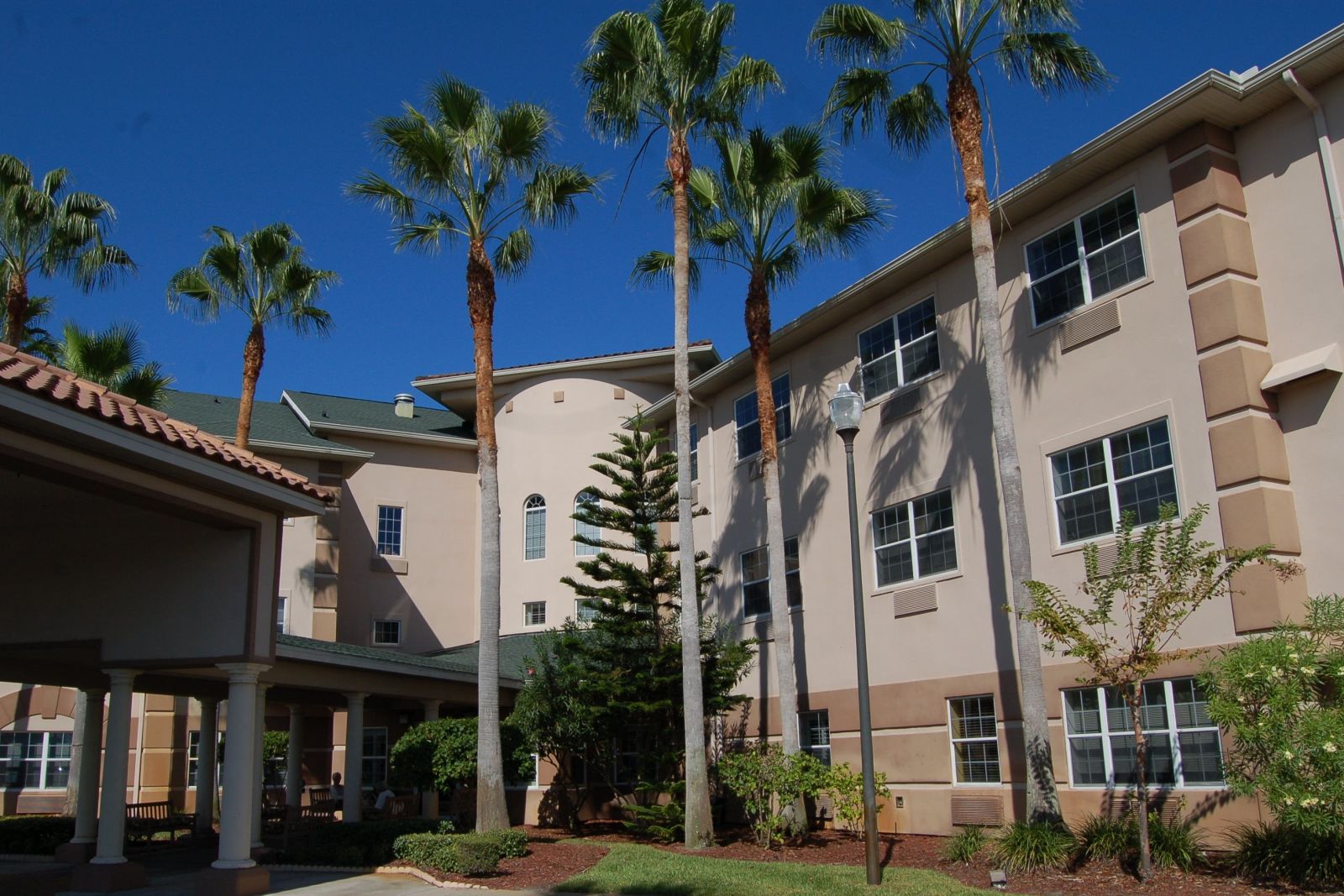
For families in the Melbourne area, Hibiscus Court, located at 540 E Hibiscus Blvd, Melbourne, FL 32901, USA, can be reached at +1 321-361-5997 and offers assisted living, memory care, and respite services with personalized support for seniors and their families.